
News
-
Phospholipid Saturation Modulates Cholesterol Partitioning and Heat Transport in Lipid Bilayers under Thermal Gradients
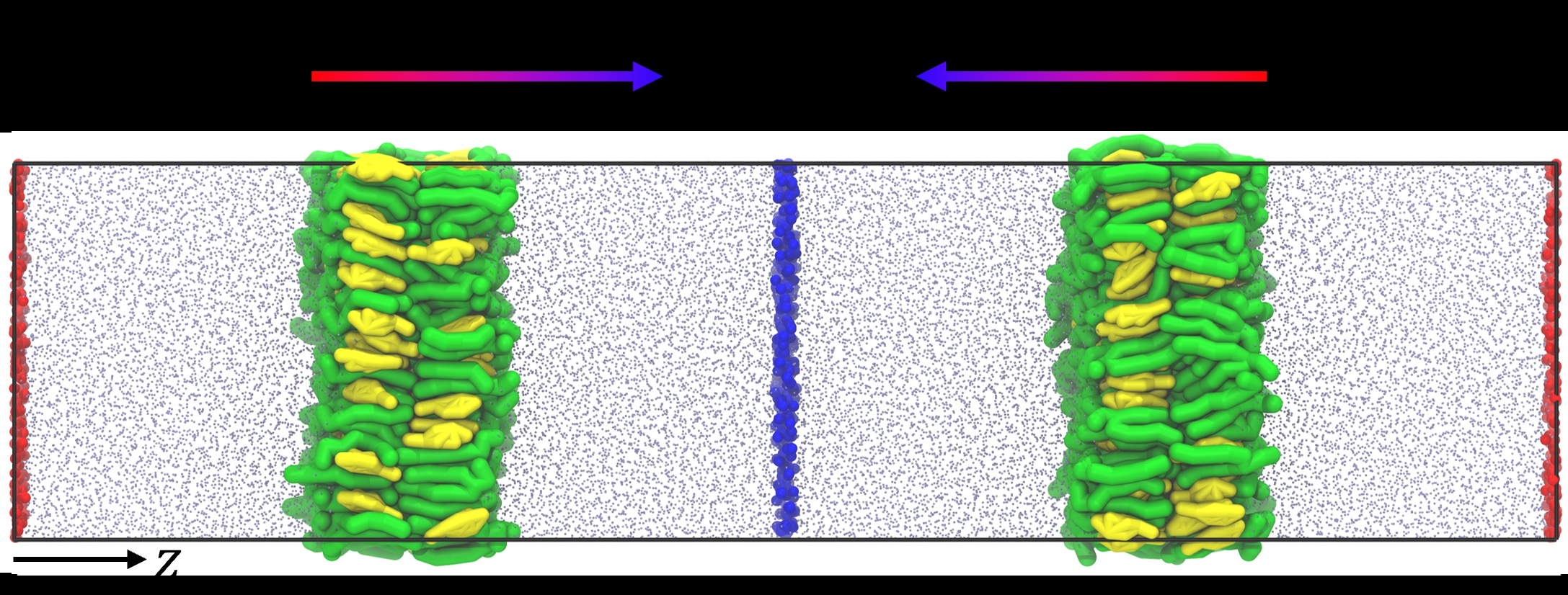
How do cell membranes respond to heat? Cell membranes are not passive barriers; they are dynamic, organised structures whose composition can change in response to their environment. In our study, we used molecular simulations to explore how cholesterol moves within membranes when one side is warmer than the other, a situation relevant to natural heat…
-
A Magnetically Bistable Rigid Carbene─2,3-Benzofluorenylidene
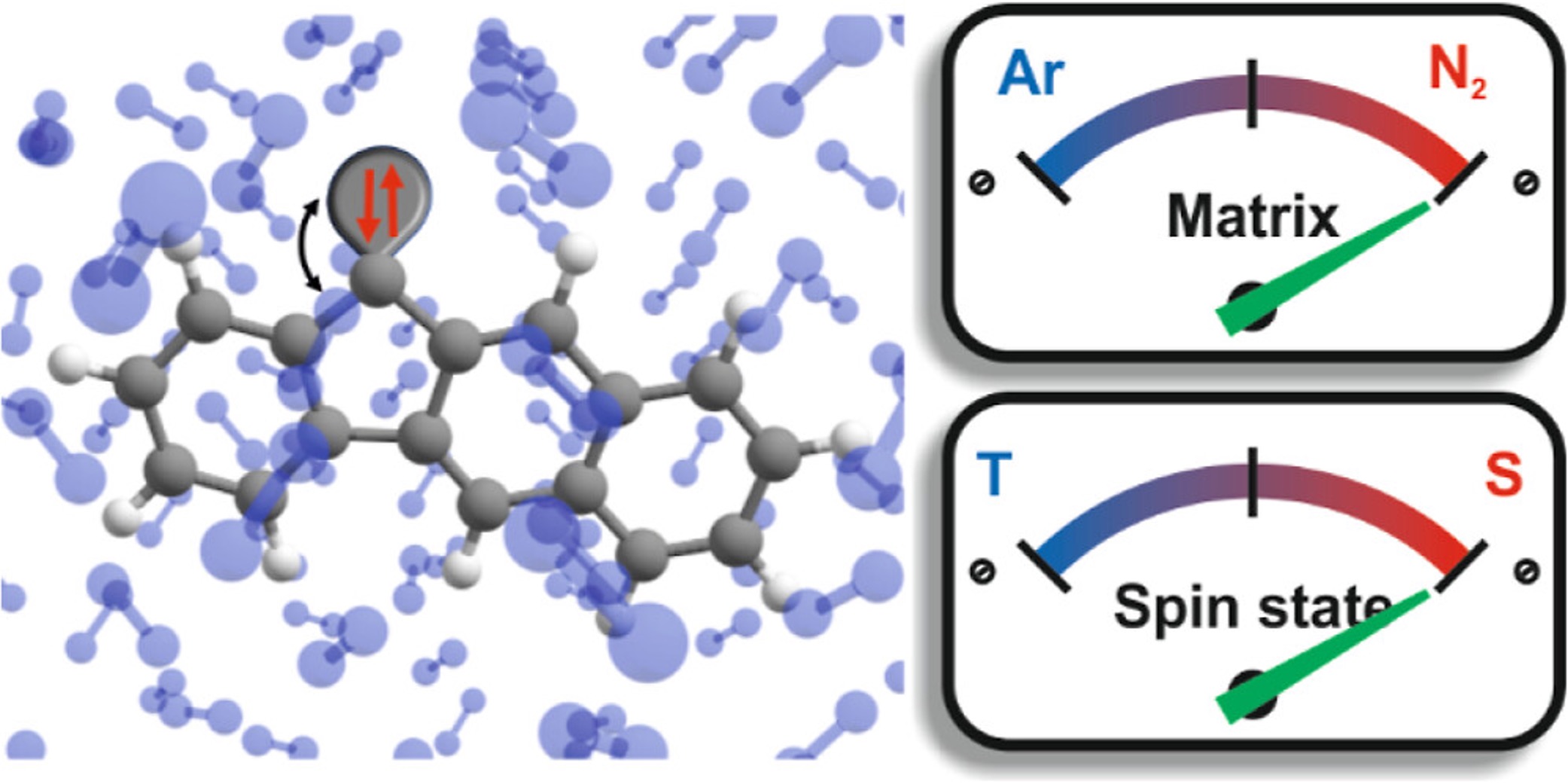
This work reveals how an unusually rigid carbene can be trapped at ultralow temperature in two distinct electronic states, known as singlet and triplet, which differ in both their magnetic properties and chemical behaviour. By combining low-temperature ultraviolet-visible, infrared and electron paramagnetic resonance (EPR, a magnetic spectroscopy technique) measurements with advanced multiscale calculations, we showed…
-
Understanding the photochemistry of a crystalline push–pull norbornadiene photoswitch
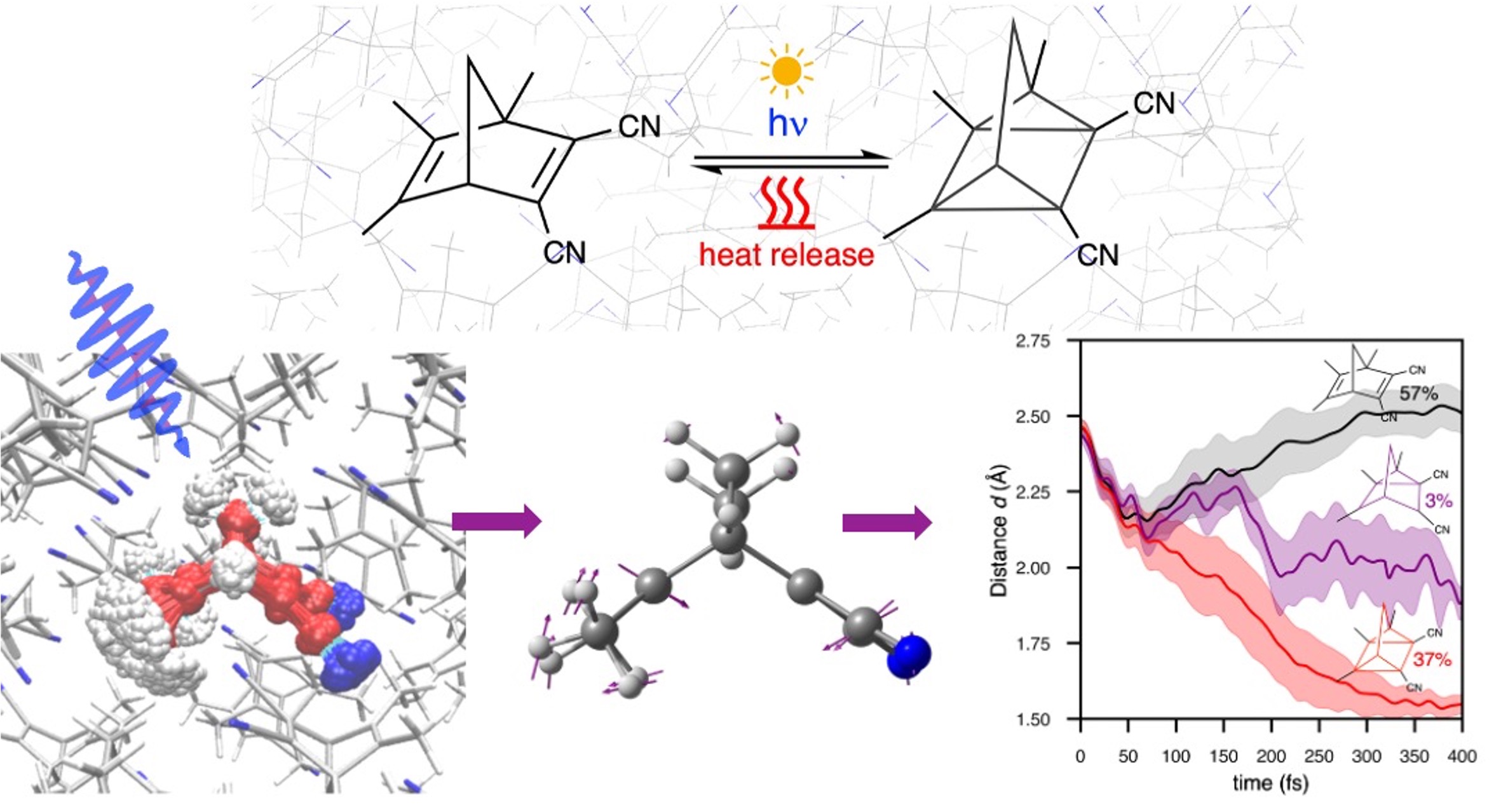
Capturing solar energy in chemical bonds and releasing it on demand is a promising route towards a sustainable energy future. So-called Molecular Solar Thermal (MOST) materials achieve exactly this: functional molecules based on molecular photoswitches absorb sunlight, twist into a high-energy “charged” metastable isomer, and later relax back, releasing the stored energy as heat on…